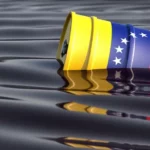

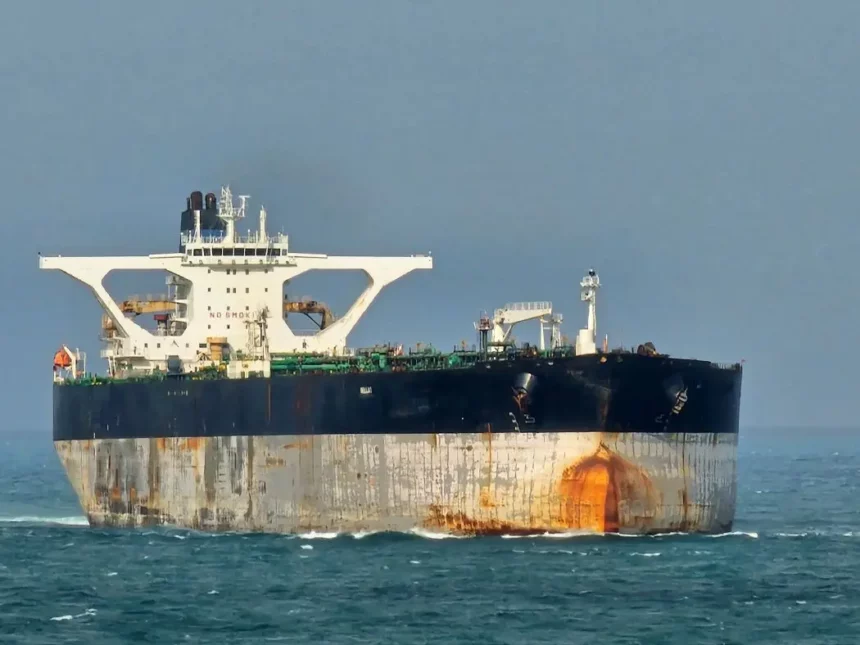
PORT OF SPAIN — United States forces seized the oil tanker Olina near Trinidad and Tobago on Friday, marking the fifth vessel intercepted in a monthlong campaign to dismantle Venezuela’s “shadow fleet” of oil exports.
The operation, carried out by U.S. Marines and Navy sailors launched from the USS Gerald R. Ford, targeted the vessel in international waters as part of an intensifying blockade ordered by the Trump administration. The seizure highlights a significant escalation in Washington’s efforts to cut off revenue to the Venezuelan government following renewed political turmoil in Caracas.
The Operation
According to U.S. Southern Command, the Olina was intercepted without incident in a pre-dawn raid on January 9, 2026. The vessel, a 115,000-deadweight-ton tanker, was falsely flying the flag of Timor-Leste to evade detection.
U.S. officials identified the ship as the former Minerva M, a vessel previously sanctioned for transporting illicit crude. At the time of seizure, the Olina was reportedly returning to the region after offloading Venezuelan oil, though its specific cargo status at the time of boarding remains under verification.
“There is no safe haven for criminals,” U.S. Southern Command stated, emphasizing that the vessel was part of a network attempting to bypass U.S. energy sanctions.
A Month of Interdictions
The capture of the Olina is the latest in a rapid series of maritime interventions that began in December 2025. The crackdown aims to enforce what the White House has termed a “total and complete blockade” of sanctioned Venezuelan oil.
The timeline of the seizures includes:
- December 10, 2025: The Skipper, a stateless vessel with alleged ties to Iranian networks, was seized in the Caribbean, kicking off the campaign.
- December 20, 2025: The Panama-flagged Centuries was boarded off the coast of Venezuela while carrying 1.8 million barrels of crude, marking a shift to targeting non-sanctioned vessels carrying illicit cargo.
- January 7, 2026: In a dual operation, U.S. forces seized the M Sophia in the Caribbean and the Russian-flagged Marinera (formerly Bella 1) in the North Atlantic. The Marinera seizure reportedly involved a tense standoff with Russian naval escorts near Iceland.
Geopolitical Tensions
The crackdown has drawn sharp condemnation from international rivals. Moscow denounced the seizure of the Marinera as a violation of international maritime law, warning that such actions could lead to “acute international crisis situations.”
In Venezuela, officials have labeled the U.S. actions as “piracy” and theft of national resources. However, the economic pressure appears to be forcing concessions; reports suggest Venezuelan interim leadership may be open to renegotiating oil deals to prevent total economic collapse.
Why It Matters
For global energy markets, these seizures represent a tightening chokehold on one of the world’s largest oil reserves. By targeting the “shadow fleet”—aging tankers with opaque ownership used to transport sanctioned oil—the U.S. is effectively removing the logistical pipeline that allows sanctioned regimes to access global markets.
The aggressive enforcement signals a shift in U.S. foreign policy, moving from financial sanctions to physical interdiction. For the shipping industry, the message is clear: vessels attempting to skirt U.S. sanctions face the immediate risk of military boarding and seizure, regardless of their flagged nationality or location.
Sources
- Reuters: US in process of seizing Olina tanker
- gCaptain: U.S. Seizes Fifth Tanker Olina in Caribbean
- The Telegraph: US seizes Venezuela-linked oil tanker
- Al Jazeera: US seizes fifth oil tanker as Venezuela pressure campaign continues
- CNN: Oil Tanker US Seizure
- DW: Venezuela open to oil deal as US seizes tankers
- TASS: World News