
Key Takeaways
- Diplomatic Signal: President Trump believes Iran is ready to negotiate a new deal following recent military and economic pressure.
- Military Warning: Iran’s Revolutionary Guards have warned the U.S. against “miscalculations,” asserting high military readiness.
- Recent Conflict: Tensions remain high following the June 2025 airstrikes on Iranian nuclear facilities and a deadly crackdown on domestic protests in Iran.
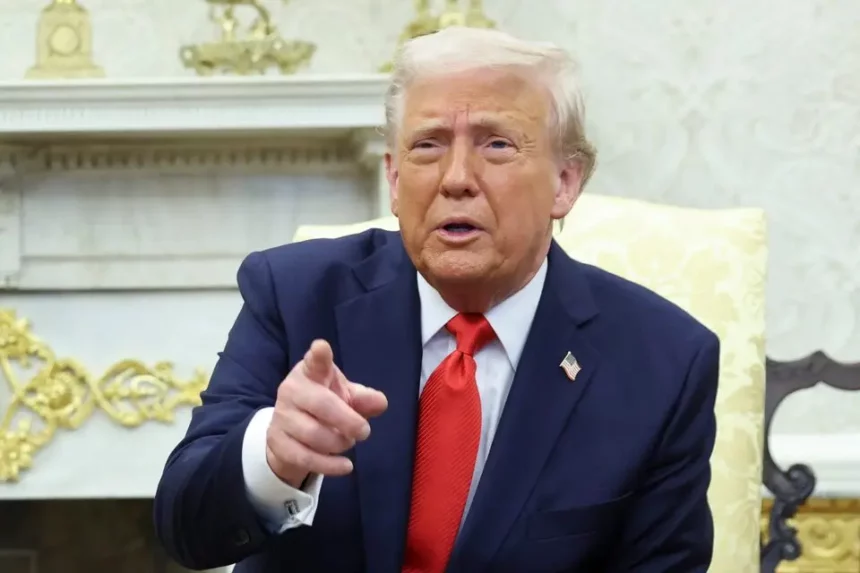
DAVOS, Switzerland — President Donald Trump stated on Wednesday that Iran is willing to negotiate with the United States, signaling a potential diplomatic opening even as Tehran’s elite military force issued stern warnings against further conflict.
Speaking at the World Economic Forum in Davos, President Trump remarked that “Iran wants to negotiate, and we will negotiate.” The comments followed his signing of a charter for a new “Board of Peace,” suggesting a shift toward dialogue after months of heightened tensions.
Revolutionary Guards Issue Warning
Despite the President’s optimism, the commander of Iran’s Islamic Revolutionary Guard Corps (IRGC), General Mohammad Pakpour, issued a sharp warning on Thursday. In a public statement, Pakpour cautioned the United States and Israel against “miscalculations,” declaring that his forces have their “finger on the trigger” and are “more ready than ever” to counter external threats.
The IRGC’s aggressive stance follows a turbulent period for the Islamic Republic, which has faced significant internal unrest. Estimates suggest that over 2,000 people have been killed in anti-government protests that swept the country in late December 2025 and early January 2026.
Lingering Tensions from 2025 Strikes
The current diplomatic maneuverings take place in the shadow of the “12-day war” in June 2025, during which U.S. and Israeli forces conducted air strikes targeting Iran’s nuclear infrastructure.
President Trump referenced those strikes while in Switzerland, asserting that Iran’s nuclear capabilities had been effectively neutralized. “They can’t do the nuclear,” Trump said. “If they do it, it’s going to happen again.” However, he emphasized his preference to avoid further military engagement, stating, “I hope there’s not going to be further action.”
Broader Context
The President’s comments covered a broad array of topics. Beyond Iran, he touched on domestic economic policy, criticizing recent Federal Reserve decisions, and briefly mentioned renewed discussions regarding Greenland, claiming he had arrived at a “concept of a deal” for the territory.
However, the focus remained largely on the Middle East. While the administration sees an opening for a new deal, the disconnect between the President’s diplomatic overtures and the IRGC’s militant rhetoric highlights the fragility of the situation. With the Iranian leadership facing pressure from both crushing sanctions and internal dissent, the path to the negotiating table remains uncertain.